

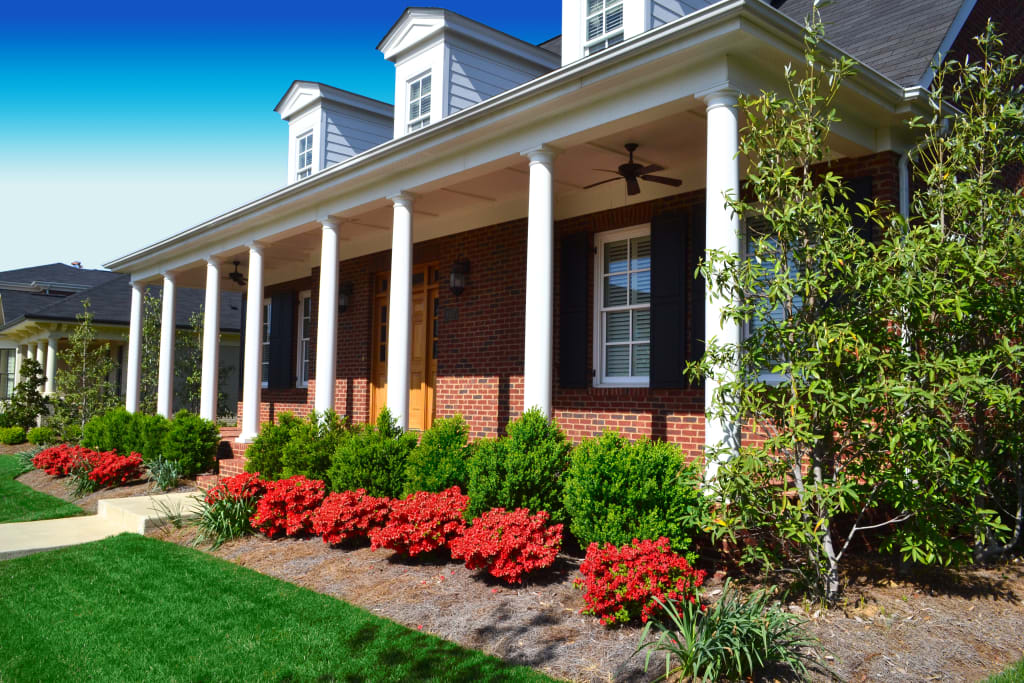
Graham Land and Home Styles Explained: 6 Questions to Ask Before You Buy
Buying in Graham can feel like you're choosing two things at once: the home you'll live in and the land that will shape your day-to-day life. A charming rambler can be perfect on paper, but the lot's slope, drainage, and access might change what "perfect" means once the rainy season arrives. The good news is that a few focused questions can quickly reveal whether a property truly fits your lifestyle, budget, and long-term plans. Below are six practical questions to bring to every showing—especially in a place like Graham, Washington, where larger lots, rural roads, and mixed home styles are part of the appeal.
1) What does the land "do" after a week of rain?
In Pierce County, water is a reality, not a surprise. Ask where water flows during storms, whether the yard holds puddles, and how the driveway behaves when it's saturated. Walk the property and look for subtle clues: moss-heavy areas, soggy low points, or a line of debris that suggests where runoff collects.
If the home has a crawlspace, find out whether a vapor barrier and proper venting are in place, and whether there's a history of moisture issues. On larger parcels, drainage can also affect where you can place future outbuildings, gardens, play structures, or even just a patio that doesn't turn into a mud patch. A quick conversation with the seller plus a careful inspection can prevent expensive grading, French drains, or foundation work later.
Tip: If you love the home but feel unsure about drainage, consider scheduling showings after a rainy stretch. Seeing the land "in action" can be more informative than any description.
2) What kind of access will you live with every day?
Country living often means private drives, gravel lanes, shared easements, or roads that feel narrow at night. Ask whether the driveway is privately maintained or shared, who is responsible for snow removal, and whether there are recorded easements for neighbors or utility access. If you commute, test the route at the times you'll actually drive—school drop-off, morning rush, and winter evenings—so you understand lighting, traffic pinch points, and how quickly you can reach major routes.
Access isn't only about cars. Think about deliveries, service providers, and visitors: can a moving truck turn around easily? Is there a safe pull-off spot for guests? If you're picturing an RV, a boat, or a workshop down the line, measure the turn radius and confirm the surface can handle it without rutting.
3) What systems come with the property, and how old are they?
Many Graham-area homes rely on private systems like wells and septic. Ask for recent septic pumping records, the type of system, and whether there are any restrictions on where you can build due to drain field location. For wells, ask about flow rate, water quality testing, and whether there's a filtration system. It's also worth clarifying what's typical for internet options in that pocket of the community—remote work changes the equation for a lot of buyers.
Beyond utilities, look at the "quiet budget busters": roof age, windows, heat source, and insulation. A home can feel cozy during a showing and still have higher monthly costs if it's older, draftier, or running on an aging system. The goal isn't to avoid every project—it's to know which projects are coming and whether you're excited to take them on.
4) Which home style matches how you actually live?
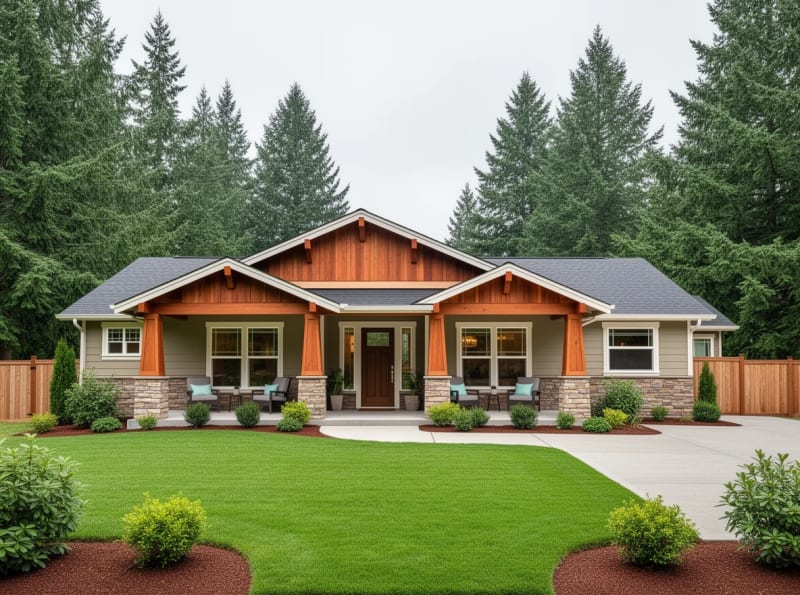
Graham offers a mix of classic ramblers, split-levels, craftsman-inspired builds, and newer homes designed for modern open living. Rather than choosing by curb appeal alone, connect the style to your routines. A rambler can be great for accessibility and easy flow, while a split-level can separate work, play, and quiet spaces in a way some households love.
Ask yourself where you'll drop backpacks, where muddy shoes will land, and whether you want bedrooms clustered together or spread out. If entertaining matters, picture how guests move from kitchen to living areas. If you're planning to downsize later, consider how stairs, laundry placement, and doorway widths might feel in five or ten years.
Small detail, big impact: In many homes, the "bonus" spaces—mudrooms, covered porches, wide driveways—make rural living feel organized instead of chaotic.
5) What do you want the land to be used for, and is it realistic here?
Acreage sparks imagination: gardens, a greenhouse, chickens, a shop, or simply more breathing room. Before falling for the idea, ask what's permitted and what's practical. Zoning, setbacks, critical areas, and septic/drain field placement can limit where structures go. Tree cover matters too; mature evergreens provide privacy and beauty, but they also affect light for gardening and can increase seasonal maintenance.
Think about the time you want to spend outside. A larger parcel can be peaceful, but it may also mean more mowing, more trimming, more leaf cleanup, and more driveway upkeep. If your dream is "space without the weekend workload," you might prefer a property with a manageable cleared area and the rest left natural.
6) How does the neighborhood feel beyond the front door?
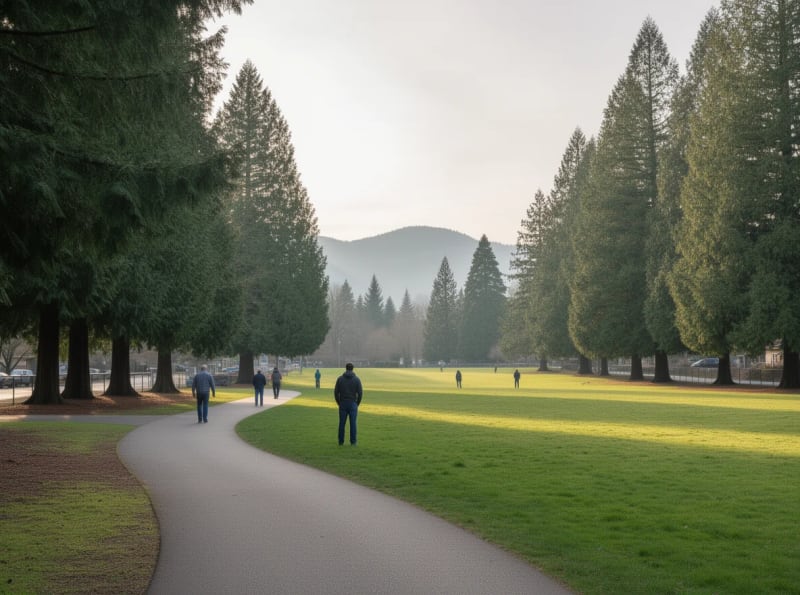
Even with more space between homes, community still matters. Drive the area at different times, listen for road noise, and notice how neighbors care for their properties. Consider proximity to daily essentials, local recreation, and weekend routines—trails, parks, and the kind of open-air scenery that draws people to this part of Pierce County in the first place.
If schools are part of your decision, explore boundaries and commute times rather than relying on assumptions. And don't underestimate the value of a "good fit" community character: some buyers want quiet and tucked-away; others want to feel closer to gathering spots and activities. The right location is the one that supports how you want your weeks to feel, not just your weekends.
Bringing it all together before you write an offer
Land and home style decisions are easiest when they're anchored to real-life questions: how you'll arrive, how you'll maintain the property, what you'll spend each month, and how the home will support your routines over time. If you're comparing a few options and they all seem "pretty similar," these six questions usually reveal which one is truly livable—and which one will quietly demand more money or effort than you want to give.
At Keller Williams, Melissa Halford takes a community-focused, relationship-driven approach that's especially helpful in nuanced areas like Graham, where the best choice often comes down to details you only notice when you slow down and ask the right questions. Whether you're a first-time buyer trying to avoid expensive surprises, a move-up buyer balancing space and simplicity, or a downsizer looking for comfort and long-term ease, clarity comes from a thoughtful process—not a rushed decision.