

Tacoma vs. South Hill: 9 Lifestyle Tradeoffs That Really Change Your Commute and Budget
Choosing between Tacoma and South Hill isn't just a map decision—it's a daily-life decision. One leans urban and walkable in pockets, with older homes and quick access to waterfront views; the other is suburban comfort with newer neighborhoods and a "run errands in one loop" rhythm. Both can be wonderful fits in Pierce County, but they reward different priorities. If you're trying to protect your time, your wallet, and your sanity during the workweek, these nine tradeoffs will clarify where you'll feel most at home.

1) Commute pattern: "shorter miles" vs. "smoother routes." Tacoma can put you closer to major corridors and job centers, which often means fewer miles—but also more variability depending on time of day. South Hill commutes can be longer on paper, yet some buyers prefer the predictable routine of suburban arterials and timing their travel around known bottlenecks. If you're hybrid, the question becomes: do you want quick hops to meetings and events, or a steadier drive that trades distance for consistency?
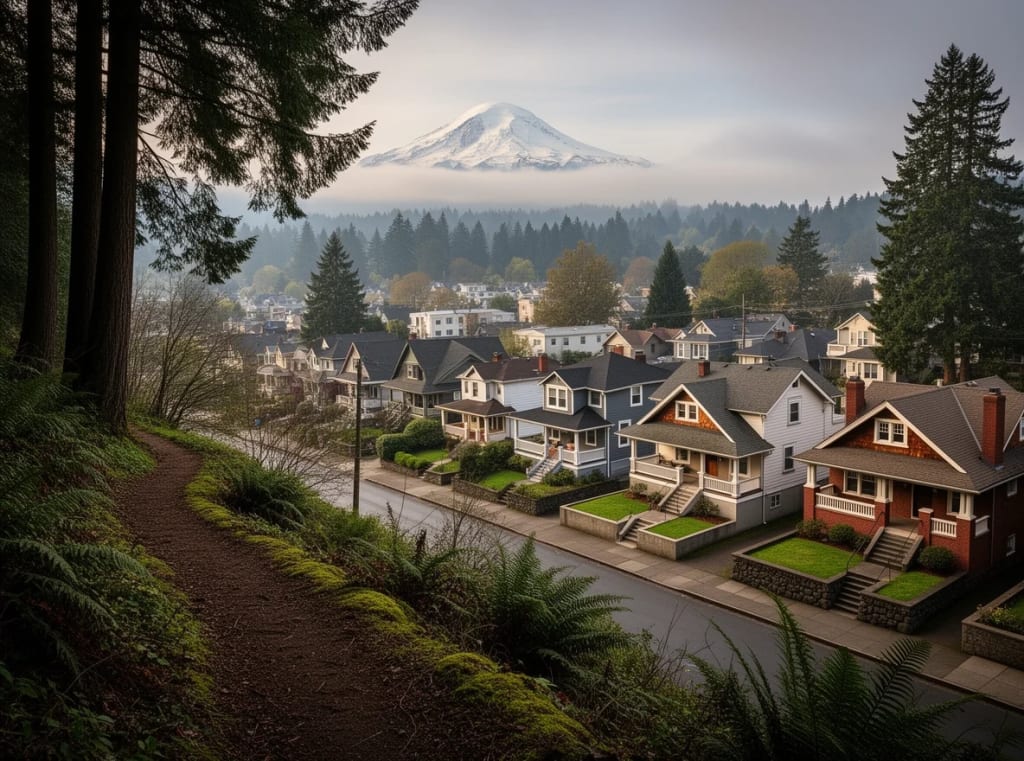
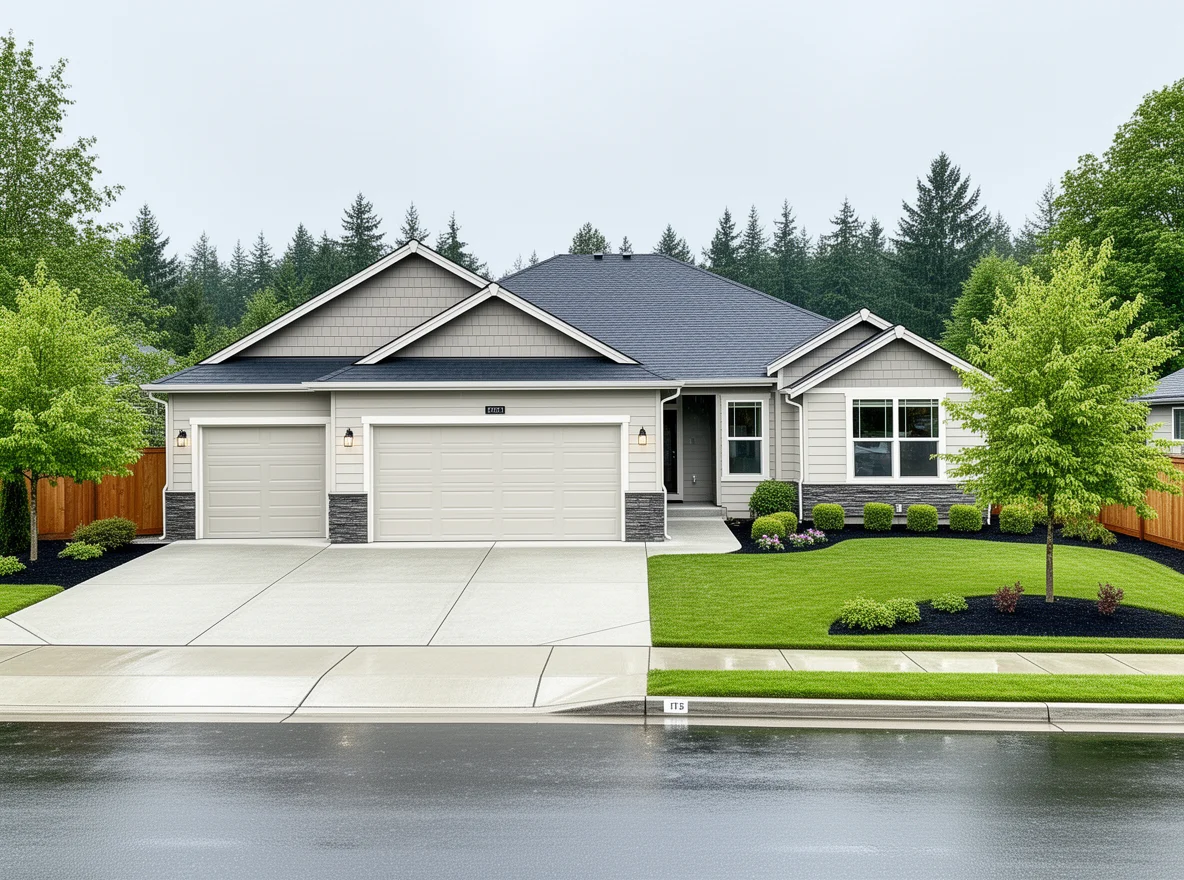
2) Housing stock: character homes vs. newer builds. Tacoma's neighborhoods include a wide mix of craftsman-era charm, mid-century options, and infill—great for those who value architecture and established streetscapes. South Hill tends to offer more newer construction and planned communities, which can translate to modern layouts, larger garages, and systems with fewer immediate surprises. The "right" choice often depends on whether you'd rather spend weekends restoring character—or simply enjoying your space.
3) Budget reality: purchase price vs. ongoing costs. A lower purchase price doesn't always equal a lower monthly spend. Tacoma buyers sometimes balance a home's price with potential line items like updates, maintenance, or energy efficiency improvements in older properties. South Hill buyers may pay for newer features upfront but can benefit from more predictable maintenance early on. Either way, the most helpful comparison is a full monthly picture: payment, utilities, insurance, and a realistic maintenance cushion.
How Your Weeknights Feel: Amenities, Errands, and "Third Places"
4) Errands and convenience: clustered trips vs. neighborhood variety. South Hill often shines for the efficient errand run—big parking lots, straightforward routes, and many essentials grouped together. Tacoma offers more variety by neighborhood, where you might weave appointments with a park stop or a waterfront walk. Ask yourself which kind of convenience you actually use: the one-stop loop, or the option to mix practical tasks with a change of scenery.
5) Dining and entertainment: destination nights vs. at-home comfort. Tacoma tends to feel more "event-ready," with more options for museums, shows, and an easy night out without driving far. South Hill can skew toward home-centered routines: backyard grilling, game nights, and heading out when you choose rather than by default. If you love last-minute plans after work, Tacoma may fit; if you prefer hosting and recharging, South Hill may win.
6) Community vibe: historic neighborhoods vs. suburban neighborhoods. Tacoma's established areas can feel layered—distinct blocks, older trees, and that sense of history that shows up in porches, parks, and community traditions. South Hill is more likely to feel like "neighbors on purpose," with newer subdivisions, HOA rules in some spots, and community events centered around schools and local parks. Neither is better; it's about whether you want a city's mix or a suburb's cohesion.
Family Factors: Schools, Recreation, and Day-to-Day Logistics
7) School logistics: drive times and routines matter as much as ratings. Many buyers start by comparing school options, but the daily schedule is what you feel most. Tacoma can mean shorter drives to activities for some families, plus more variety in programs depending on neighborhood. South Hill families often appreciate the suburban layout—sports fields, parks, and school-centered communities that can simplify carpools and weekend calendars. A practical test is mapping your real routine: drop-off, work, groceries, practice, and home.
8) Recreation style: waterfront and urban parks vs. neighborhood parks and trails. Tacoma offers easy access to scenic viewpoints and parks that feel like mini-getaways, even on a random Tuesday. South Hill leans toward recreation that's built into the neighborhood rhythm—playgrounds, local trails, and community facilities that make it easy to get outside without planning. If you're motivated by scenery and spontaneous city outings, Tacoma can deliver; if you want "grab the stroller and go," South Hill can feel effortless.
9) Long-term flexibility: resale pools and lifestyle shifts. Tacoma can appeal to buyers who want proximity to the city feel, older-home charm, and a broader set of neighborhood identities. South Hill often appeals to buyers who prioritize square footage, newer builds, and a suburban pattern that fits many life stages. Thinking ahead helps: Are you likely to upsize, downsize, or shift to remote work? The answer can point you toward the area with the most natural next step for you.
A simple way to decide
If you're torn, try this: pick your "non-negotiable" for the next two years (time at home, commute reliability, walkable evenings, yard space, or low-maintenance living). Then pick the "nice-to-have" that you'll actually use weekly. The right choice is the one that supports your real routine, not your aspirational one.
In Pierce County, both Tacoma and South Hill can be smart moves—just for different lifestyles. If you want a community-focused, relationship-driven guide to help you compare specific neighborhoods, commute routes, and realistic monthly costs, Melissa Halford at Keller Williams specializes in supporting first-time buyers, move-up buyers, and downsizers with a clear, pressure-free process. The goal isn't to "pick the best place," but to land in the place that makes your everyday life easier—and more enjoyable.